
Training in Artificial Intelligence
with a human, ethical and youth approach
Artificial intelligence is already part of the daily lives of millions of young people. It is
present on their phones, on educational platforms, on social networks, video games and
digital tools that they use every day.

However, access to technology is not always
accompanied by understanding, criteria or ethical training.
For young people from immigrant communities, this gap is not only technological, but
also educational and social. Many interact with AI systems without understanding how
they work, what limits they have, or how to use them responsibly for their own academic,
personal, and community growth.
Youth + AI – El Rescate was born as an educational response to this reality: a program
designed to empower young people aged 13 to 15 to understand artificial intelligence
not as something distant or intimidating, but as a practical, ethical and conscious
tool at the service of their development.

However, access to technology is not always
accompanied by understanding, criteria or ethical training.
For young people from immigrant communities, this gap is not only technological, but
also educational and social. Many interact with AI systems without understanding how
they work, what limits they have, or how to use them responsibly for their own academic,
personal, and community growth.


PURPOSE OF THE PROGRAM

The program seeks that students:
• Understand what AI is and what it is not
• Develop critical thinking in the face of digital information
• Use AI to support learning, organizing, and creating
• Strengthen habits of discipline, perseverance and planning
• Express their own ideas with creativity and responsibility
• Act ethically in digital environments
• Build personal projects with meaning and purpose
More than passive users of technology, the program trains conscious, critical and
responsible young people, capable of making informed decisions in the present and in
their digital future.
PEOPLE-FIRST AI APPROACH

Youth + AI – El Rescate is based on the People-First AI approach, which places the
person at the center of technological learning.
This means that:
- • AI does not replace human thinking
• Technology does not decide for the student
• Criteria, reflection and ethics continue to be the responsibility of the person
Throughout the program, it is constantly reinforced that:
This principle guides each block, activity, and project, ensuring that the use of AI strengthens youth autonomy rather than weakens it.
LEARNING BY DOING: ONGOING PERSONAL PROJECT
One of the pillars of the program is the Continuous Personal Project, which
accompanies the student throughout the training process.
From the first sessions, each participant chooses a significant area of focus for their life,
such as:
- • A hobby or personal interest
• A community project
• A micro-entrepreneurship idea
• A creative or academic initiative
All program activities apply directly to this project, allowing learning to be:
- • Relevant
• Contextualized
• Progressive
• With real impact
In this way, AI is not learned in the abstract, but applied to the student’s reality.
ETHICS, RESPONSIBILITY AND FUTURE
In a context where disinformation, deepfakes and the irresponsible use of technology
are increasingly common, Youth + AI incorporates digital ethics education in a
transversal way.
The program addresses topics such as:
- • Responsible use of AI
• Copyright and consent
• Misinformation and critical thinking
• Social impact of technology
• Building Digital Identity
The closing of the program invites each student to reflect on their role in the digital
world and to build a 12-month Personal Plan, promoting a vision for the future,
autonomy and responsibility.



COMMUNITY ENGAGEMENT
Youth + AI – The Rescue is not just an educational program; It is a commitment to the
comprehensive development of young people from immigrant communities, providing
them with tools to:
• Strengthen your confidence
• Expand your opportunities
• Building Purposeful Projects
• Actively participate in your community
We believe that when young people understand technology, they can use it to transform their environment, not just consume it.
Advisory Board
Youth+AI Program
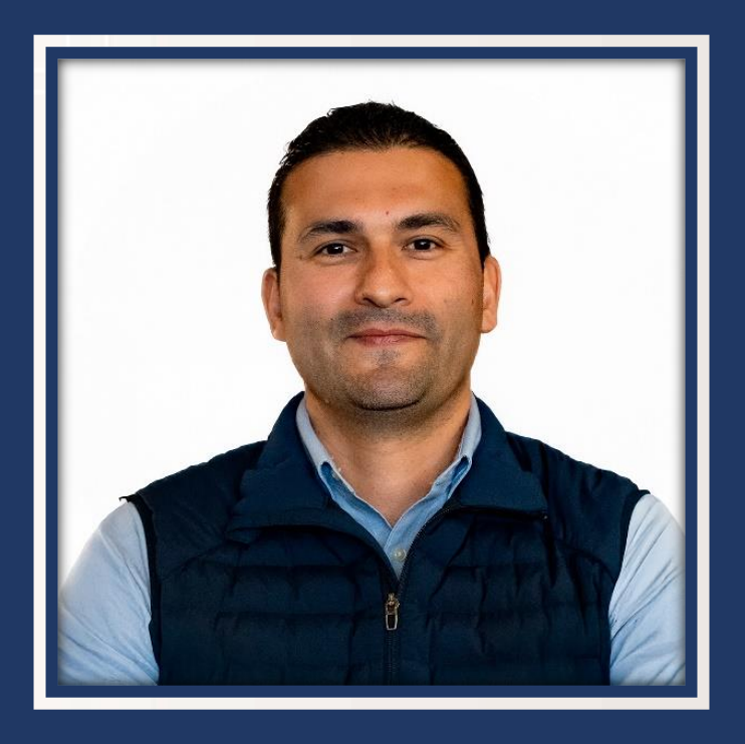
Román Leal
Executive Director / Managing
Partner, LEAP Global Partners
Profile and Experience
Román Leal, CFA, is a venture capitalist and entrepreneur recognized for his expertise in
fintech, financial technology, software as a service (SaaS), and for supporting innovative startups with global impact. He
currently serves as Managing Partner and Co-Founder of LEAP Global Partners, a San Francisco – based venture capital firm
focused on early-stage investments with a cross-border strategy, particularly between
the United States and Latin America.
Professional Career and Key Achievements
Prior to founding LEAP Global Partners, Román Leal built an international career across financial and technology sectors, holding strategic roles in high-impact organizations:
• PayPal – Led initiatives related to next-generation financial services, digital currency strategies, and peer-to-peer platforms, contributing to market and
product development.
• Goldman Sachs – Served as an analyst in the financial technology sector and was part of the founding team of the Emerging Technology Research and Payment Processing Around the World platforms, advising startups across global
markets.
• Earlier in his career, he held analytical roles at Jefferies & Company, Merrill
Lynch, and Wells Capital Management, gaining extensive experience in finance, banking services, and market analysis.
Additionally, Román Leal was the Co-Founder and CEO of QueSee, a fintech platform focused on the U.S. Latinx community, where he led early-stage product development and growth strategies.
Academic Background
Román Leal holds a bachelor’s degree in Economics and Legal Studies from the
University of California, Berkeley. He also holds the Chartered Financial Analyst (CFA)
designation, a globally recognized professional certification in investment analysis and
financial management.
Venture Capital and Leadership Contributions
At LEAP Global Partners, Román leads strategic investments in fintech, digital commerce, and SaaS, with a strong emphasis on diverse founders and cross- order innovation between Latin America and the United States. Under his leadership, the firm has achieved strong investment performance and has participated in notable co-investments with companies such as Gusto, PayStand, and Wizeline.
His career reflects a unique combination of operational experience, product strategy,
financial expertise, and global networks, enabling startups to scale with both technological and social impact.
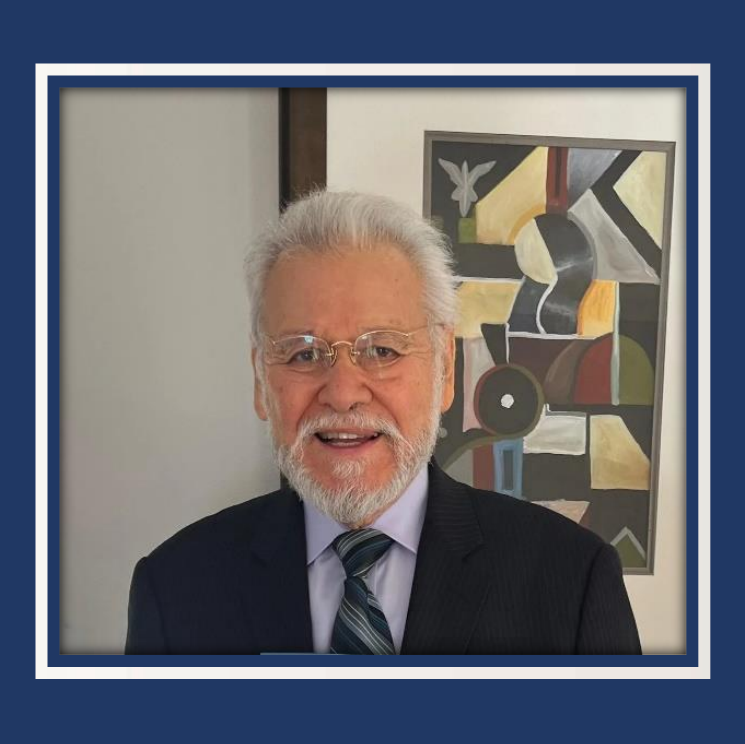
Carlos E. Vela
Creator of the STEM Educational
Concept
Profile and Experience
Carlos E. Vela, Ph.D., is a Salvadoran-American scientist, engineer, and educator widely recognized as the pioneer who conceived and developed the STEM educational concept (Science,
Technology, Engineering, and
Mathematics). His work has been fundamental in transforming educational models worldwide, promoting interdisciplinary learning that strengthens critical thinking, problem-solving skills, and technical competencies from early stages of education.
He is considered a key figure in the global evolution of science and technology education, with a vision focused on preparing future generations to meet the complex challenges of an increasingly technological and interconnected world.
Development of the STEM Concept and Key Achievements
• In 1992, Carlos E. Vela coined the term STEM and founded the STEM Institute in
Washington, D.C., an organization dedicated to promoting this interdisciplinary educational approach, which is now implemented across multiple countries worldwide.
• The STEM methodology has been adopted by educational systems in Europe, Asia, Africa, Latin America, and the United States, and has been incorporated into national education policies in countries such as China and in several U.S. states.
• His contributions have received formal recognition, including official honors from
the City of Los Angeles, acknowledging his impact on science, technology, and education at both national and international levels.
Academic and Professional Trajectory
Throughout his career, Carlos E. Vela has combined scientific research, technological
development, and educational leadership, with a strong focus on:
• The application of advanced technologies to solve complex real-world problems.
• The education and empowerment of young people through early exposure to scientific and technological disciplines.
• The promotion of technical training, innovation, and leadership as tools for social and economic development. His vision behind the STEM framework was to create an educational model that integrates scientific and technical disciplines in a cohesive way, enabling students to develop practical skills, creativity, and adaptability for the modern workforce.
• The education and empowerment of young people through early exposure to scientific and technological disciplines.
• The promotion of technical training, innovation, and leadership as tools for social and economic development. His vision behind the STEM framework was to create an educational model that integrates scientific and technical disciplines in a cohesive way, enabling students to develop practical skills, creativity, and adaptability for the modern workforce.
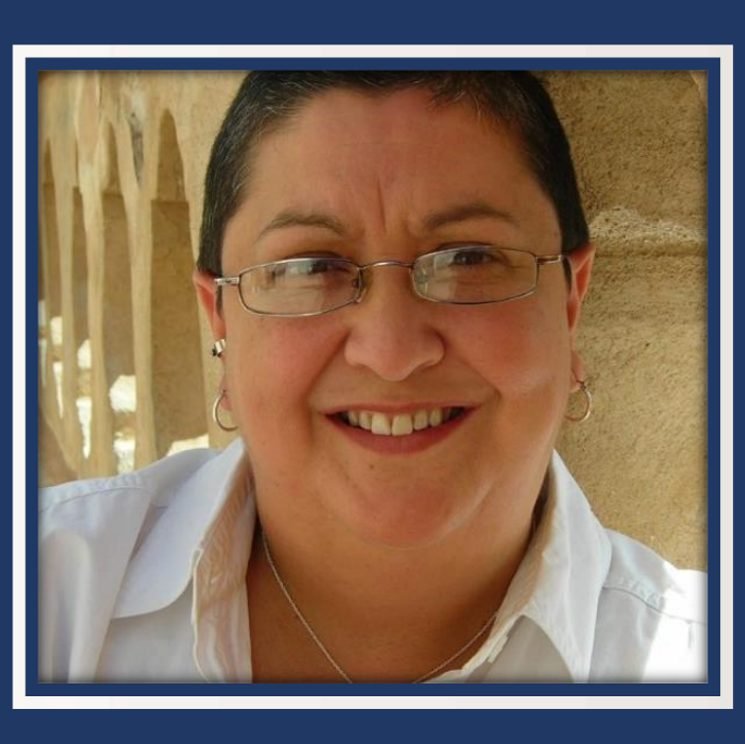
Maribel L. Alvarez
Professor and Researcher,
University of Arizona
Profile and Experience
Maribel L. Alvarez, Ph.D., is a distinguished anthropologist, folklorist, writer, curator,
and cultural organizer with an extensive career in academic research, community development, and cultural leadership.
She currently serves as Associate Research Professor in the School of Anthropology and Associate Research Social Scientist at the Southwest Center at the University of Arizona. She also holds the prestigious Jim Griffith Chair in Public Folklore at the Southwest Center.
Since 2018, she has served as Associate Dean for Community Engagement in the College
of Social & Behavioral Sciences, where she leads collaborative initiatives with government agencies, community-based organizations, and educational partners to advance
inclusion, diversity, and social impact through university engagement.
Career Path and Key Achievements
• Founder and Executive Director of the Southwest Folklife Alliance (SFA), a nonprofit organization affiliated with the University of Arizona dedicated to connecting cultural traditions, artisan economies, and community practices through public programs, festivals, and ethnographic documentation. The Alliance produces the annual Tucson Meet Yourself festival, which features more than 300 traditional artists and attracts over 100,000 attendees.
• Fulbright Fellow in Sonora, Mexico (2009–2010), where she conducted research on traditional agricultural practices and regional foodways, with a focus on Yaqui Indigenous communities.
• Co-founder of MACLA (Movimiento de Arte y Cultura Latino Americana) in San José, California, one of the leading Latino contemporary art organizations in the United States.
• Advisor to multiple national philanthropic initiatives, including projects supported by the Ford Foundation, focused on arts, culture, and demographic change.
• Served for over 18 years as a faculty member and mentor with the National Leadership Institute of the National Association of Latino Arts and Cultures (NALAC), training and mentoring hundreds of Latino and BIPOC cultural leaders nationwide.
• Former Trustee of the American Folklife Center at the Library of Congress, contributing to national discussions on cultural heritage, living traditions, and cultural policy.
• Recipient of the Americo Paredes Prize from the American Folklore Society in 2018, awarded for “excellence in integrating academic research with community engagement.”
• Fulbright Fellow in Sonora, Mexico (2009–2010), where she conducted research on traditional agricultural practices and regional foodways, with a focus on Yaqui Indigenous communities.
• Co-founder of MACLA (Movimiento de Arte y Cultura Latino Americana) in San José, California, one of the leading Latino contemporary art organizations in the United States.
• Advisor to multiple national philanthropic initiatives, including projects supported by the Ford Foundation, focused on arts, culture, and demographic change.
• Served for over 18 years as a faculty member and mentor with the National Leadership Institute of the National Association of Latino Arts and Cultures (NALAC), training and mentoring hundreds of Latino and BIPOC cultural leaders nationwide.
• Former Trustee of the American Folklife Center at the Library of Congress, contributing to national discussions on cultural heritage, living traditions, and cultural policy.
• Recipient of the Americo Paredes Prize from the American Folklore Society in 2018, awarded for “excellence in integrating academic research with community engagement.”
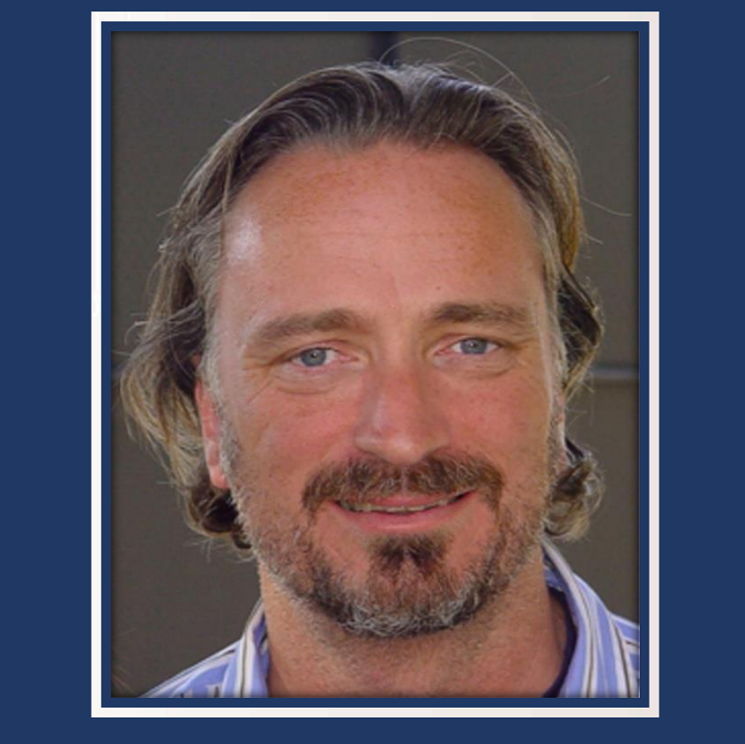
Brent Alan Blair
Professor of Practice, University
of Southern California (USC)
Profile and Experience
Brent Alan Blair, Ph.D., is a Professor of Practice at the USC School of Dramatic Arts, where he serves as Director of Theatre and Social Change and is a certified Linklater voice instructor. He is also a former Fulbright Scholar, with
specialized research in traditional West African theatre practices.
Dr. Blair has built an academic and professional career centered on the intersection of arts, education, and social transformation, using theatre as a powerful tool for community engagement, equity, and cultural change.
Career Path and Key Achievements
• Professor of Practice in Voice and Movement and Director of Theatre and Social Change at the USC School of Dramatic Arts, where he has taught since the mid-1990s.
• Founder and Director of the Institute for Theatre & Social Change (ITSC) at USC, an initiative dedicated to linking artistic practice with social justice, education, and community-based transformation.
• Designer of curricular programs and collaborative projects that use theatre as a vehicle for education, healing, and civic engagement with communities at both local and international levels.
• Fulbright Scholar, conducting theatre-based research with traditional communities in Nigeria, focusing on community theatre and Indigenous cultural forms.
• Certified Linklater voice teacher and trained practitioner of Theatre of the Oppressed, having studied with renowned pedagogue Augusto Boal, integrating participatory theatre methods into social justice and empowerment contexts.
• His academic and artistic work emphasizes theatre for social change, critical perspectives on systems of oppression, and the use of voice and embodied storytelling as tools for civic and cultural transformation.
Academic and Professional Trajectory
Brent Alan Blair holds a Ph.D. in Depth Psychology, integrating psychological theory with expressive arts practices, community engagement, and transformational learning.
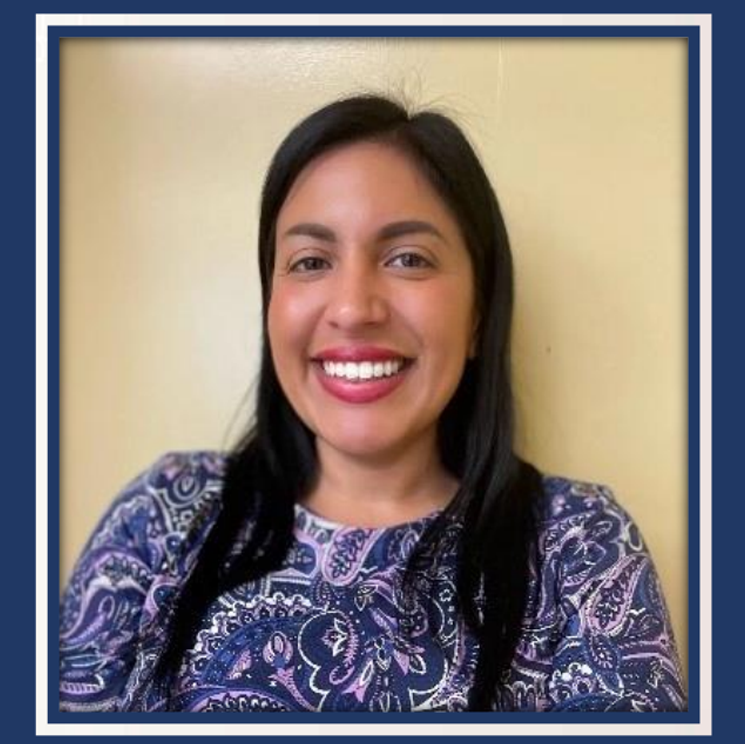
Stephanie Lemus
Adjunct Professor and
Community Leader (CSUN &
Higher Education)
Profile and Experience
Stephanie Lemus, Ed.D., is an educator, scholar, and community leader with a strong background in ethnic studies, migration, diaspora, race, and transnationalism, with a particular focus on Central American and Latinx communities. She grew up in the Pico-Union/Westlake area of Los Angeles as the daughter of a Salvadoran immigrant mother, an experience that has profoundly shaped her academic work and community engagement.
She currently serves as an Adjunct Professor in the Department of Central American Studies at California State University, Northridge (CSUN), where she teaches courses on culture, community, and social justice. She has also taught in Chicana/o and Ethnic Studies programs across multiple California State University campuses, the Los Angeles Community College District, and Orange Coast College.
In addition, she leads the Central American Research and Policy Institute (CARPI), a research center focused on migration, public policy, and the transnational experiences of Central American communities in the United States.
Academic Background
• Doctor of Education (Ed.D.) in Organizational Change and Leadership, University of Southern California (USC). Her doctoral research focused on transnational studies as a model for institutional transformation.
• Master of Arts in Latin American Studies, California State University, Los Angeles,
with an emphasis on the Salvadoran diaspora and community-based experiences.
• Bachelor of Arts in Central American Studies and Anthropology, with a minor in Pan-African Studies, California State University, Northridge.
Professional Contributions and Community Leadership
Dr. Lemus integrates academic scholarship with leadership in community organizations, public policy, and organizational development. Her roles have included:
• Former Executive Director of Public Policy and Community Affairs, leading initiatives focused on social equity and community impact.
• Commissioner for the City of Los Angeles Health Commission, contributing expertise in public health equity, access, and community participation.
• President of the Southern California Association of Latin American Studies (SCALAS), supporting research, collaboration, and academic networks in Latin American and Latinx studies.
• Vice President of Paving the Road to Success, a nonprofit organization dedicated to community services and youth development.
• Member of advisory boards and community councils addressing health equity, diversity, and inclusive public policy.
Her work is grounded in community activism, critical race theory, and intersectionality, with a strong commitment to advancing equity, health justice, and educational access for historically marginalized communities.